
5 Things You Must Know Before Using AI
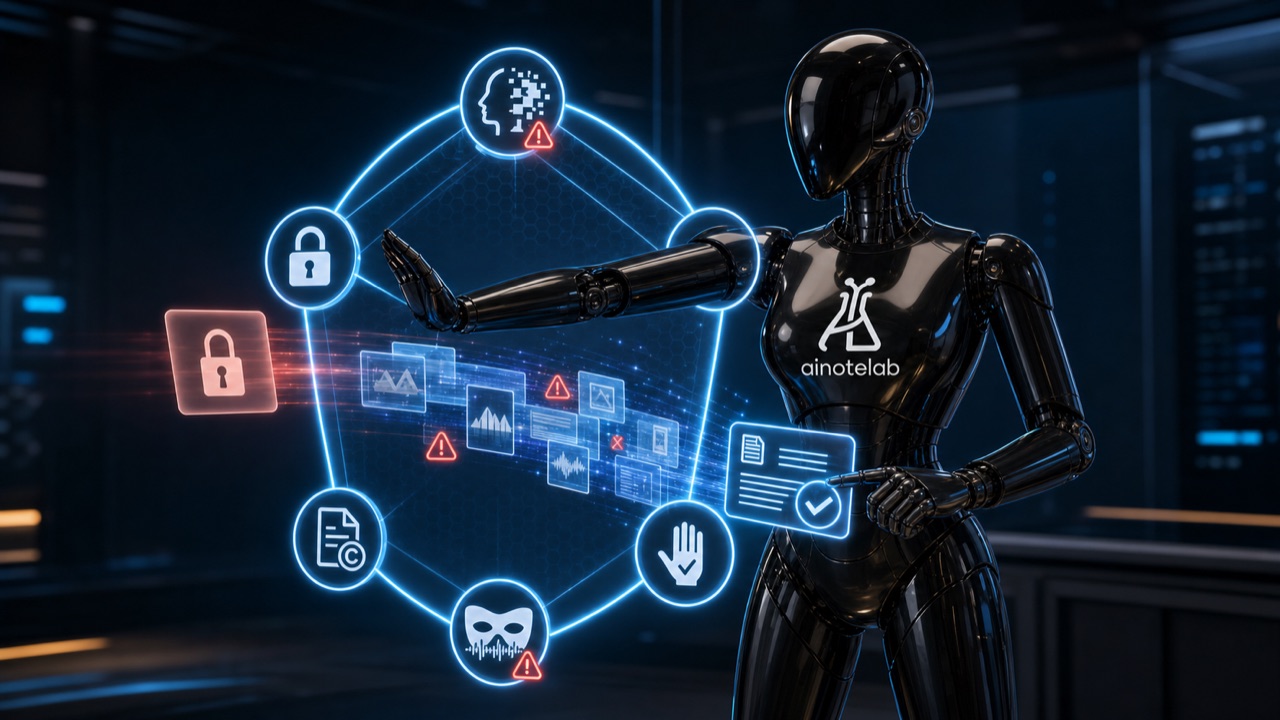
I've spent this whole blog talking up what AI can do, but I can't put you in the car without a seatbelt. After more than a year of using AI daily, here are the 5 precautions I wish I'd known from the start.
1. What AI says is a draft, not a fact — hallucinations
AI produces plausible-sounding sentences; it doesn't guarantee facts. Hallucination — confidently citing papers that don't exist, misquoting laws, inventing statistics — hasn't fully gone away even in the latest models. (Curious why? See how LLMs work.)
- Always verify numbers, dates, names, laws, and medical information against the original source
- Ask "what's your source?" — and actually click through to check it
- Never make important decisions (medical, legal, financial) on an AI answer alone
2. Once you hit enter, it's out of your hands — privacy and confidentiality
What you type into an AI service may be used to improve it (i.e., to train models). Many services let you opt out in the settings, but the basic principle is simple.
"If a leak would hurt you, don't type it in at all."
- Never enter government ID numbers, bank accounts, or passwords
- Check your company's policy before using confidential documents (many companies prohibit it)
- Entering other people's or customers' personal data may violate privacy laws
- If you absolutely must, replace names and company names with placeholders first
3. Making it doesn't make it yours — copyright
Copyright for AI-generated content is still being sorted out legally. For now, the practical things to know are:
- Commercial-use terms for generated content vary by service. Read the terms.
- Images mimicking a specific artist's style, or depicting real people, carry serious dispute risk.
- Publishing or submitting AI-written text as is can count as plagiarism or a policy violation (many schools, publications, and contests now require AI-use disclosure).
4. Even the voice in your ear can be fake — deepfakes and voice scams
We live in an era where a few seconds of audio is enough to clone a voice. Scams using AI voices to impersonate family members or bosses are genuinely on the rise.
- If a call urgently demands money, hang up and call back on the number you already know
- Agreeing on a family-only "verification question" in advance is another good defense
- Video isn't safe either — celebrity investment-pitch videos are almost always deepfake scams
5. The price of convenience — outsourcing your skills and judgment
The last one is about habits, not technology. I've noticed it in myself: hand your summarizing to AI and the muscle for reading long texts weakens; hand it your first drafts and the muscle for starting from a blank page does too.
- When you get AI output, take a moment to ask "why did it write it this way?"
- For anything you're still learning (a language, coding, etc.), try it yourself first and use AI to check your work
- Never forget: final judgment and responsibility always stay with the human
Closing thoughts
Using AI with these precautions in mind is a completely different game from using it without them. I hope this post serves as your seatbelt. Now head back to the practical techniques post and use it with confidence.